Seminar Recap · Thursday, 7 May 2026
Bridging the Theory and Practice Gap in Science Education in Bangladesh — Pabna
KRTC's volunteer-led seminar on bridging the theory–practice gap in science education was held at Pabna University of Science and Technology — bringing together teachers, students, and KRTC's North Zone team for an open conversation on practical scientific competence and applied training.
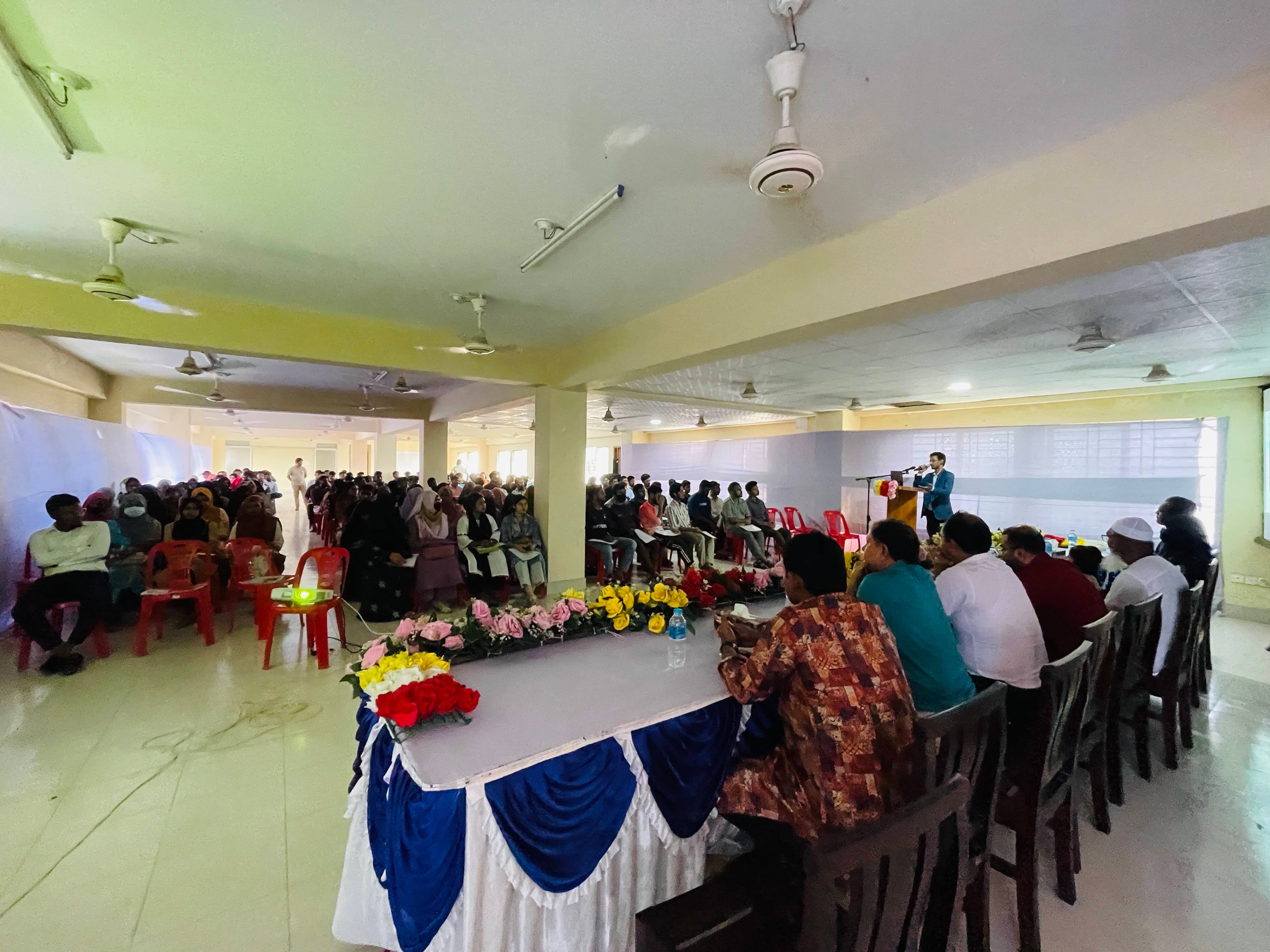
About the seminar
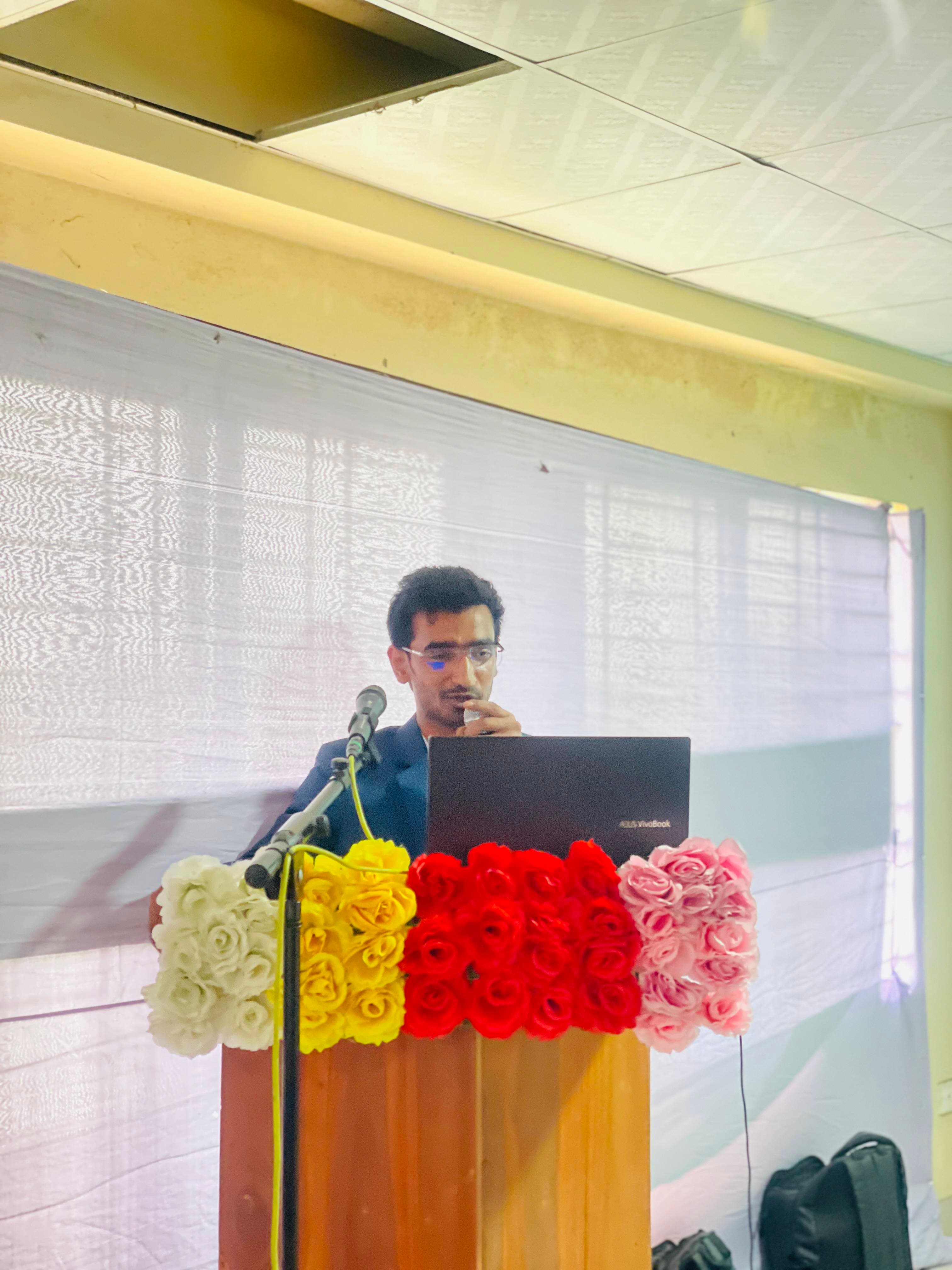
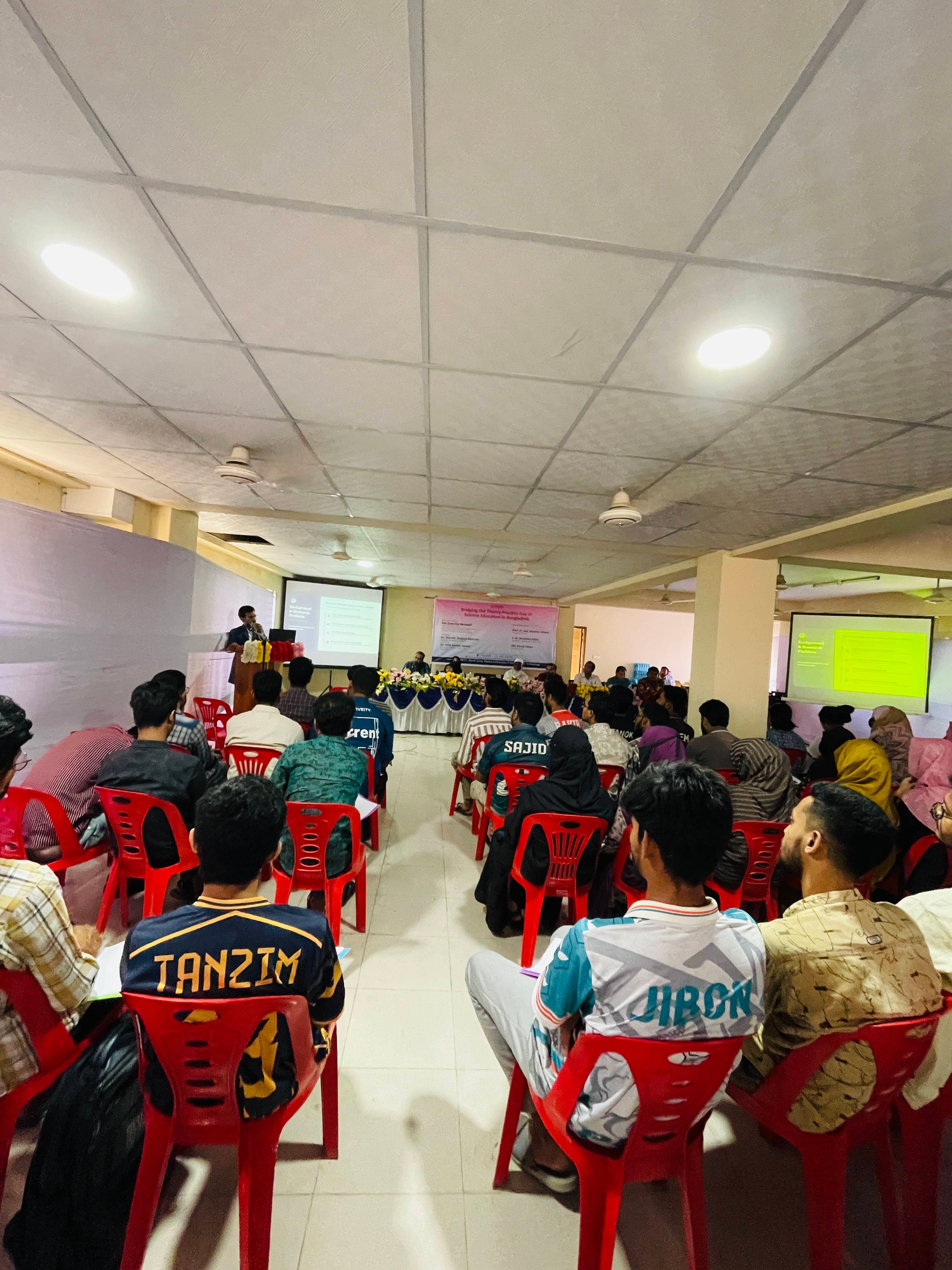
Kekuleon Research and Training Center (KRTC) organised an academic seminar on "Bridging the Theory and Practice Gap in Science Education in Bangladesh" at Pabna University of Science and Technology — held at the Exam Centre (3rd Floor) on Thursday, 7 May 2026.
The seminar was part of KRTC's North Zone academic outreach, designed to bring the conversation about practical, applied science education directly to PUST students and the surrounding North Zone academic community.
The programme was coordinated by Md. Zakaria Hossain, Founder and Research Coordinator of KRTC and MSc Chemistry candidate at the University of Siegen, Germany. The initiative was guided by Dr. Dilip Kumar Sarkar and Dr. Shah Md. Shahan Shahriar, Associate Professors at the Department of Applied Chemistry and Chemical Engineering, University of Rajshahi.
Distinguished academic guests
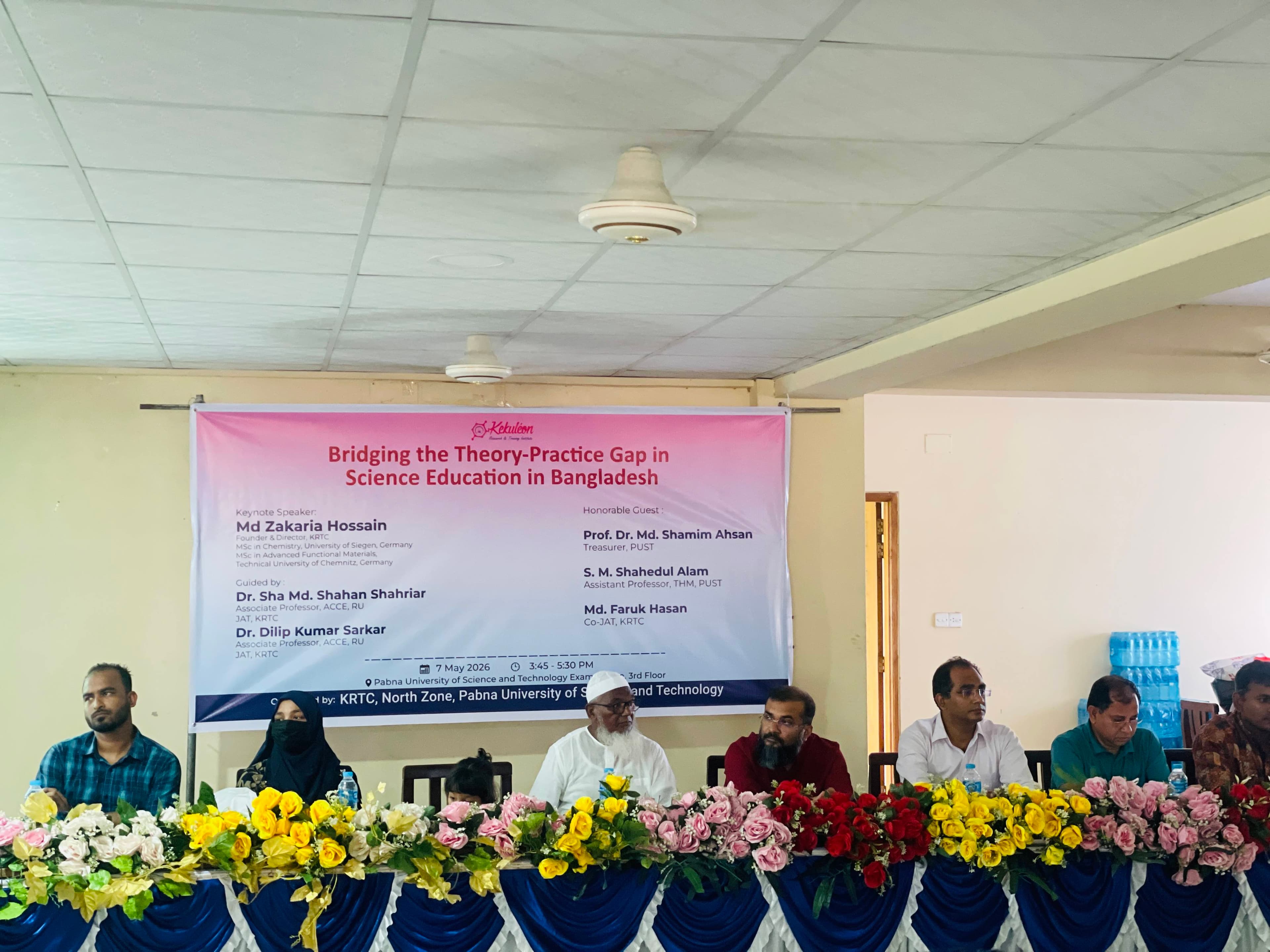
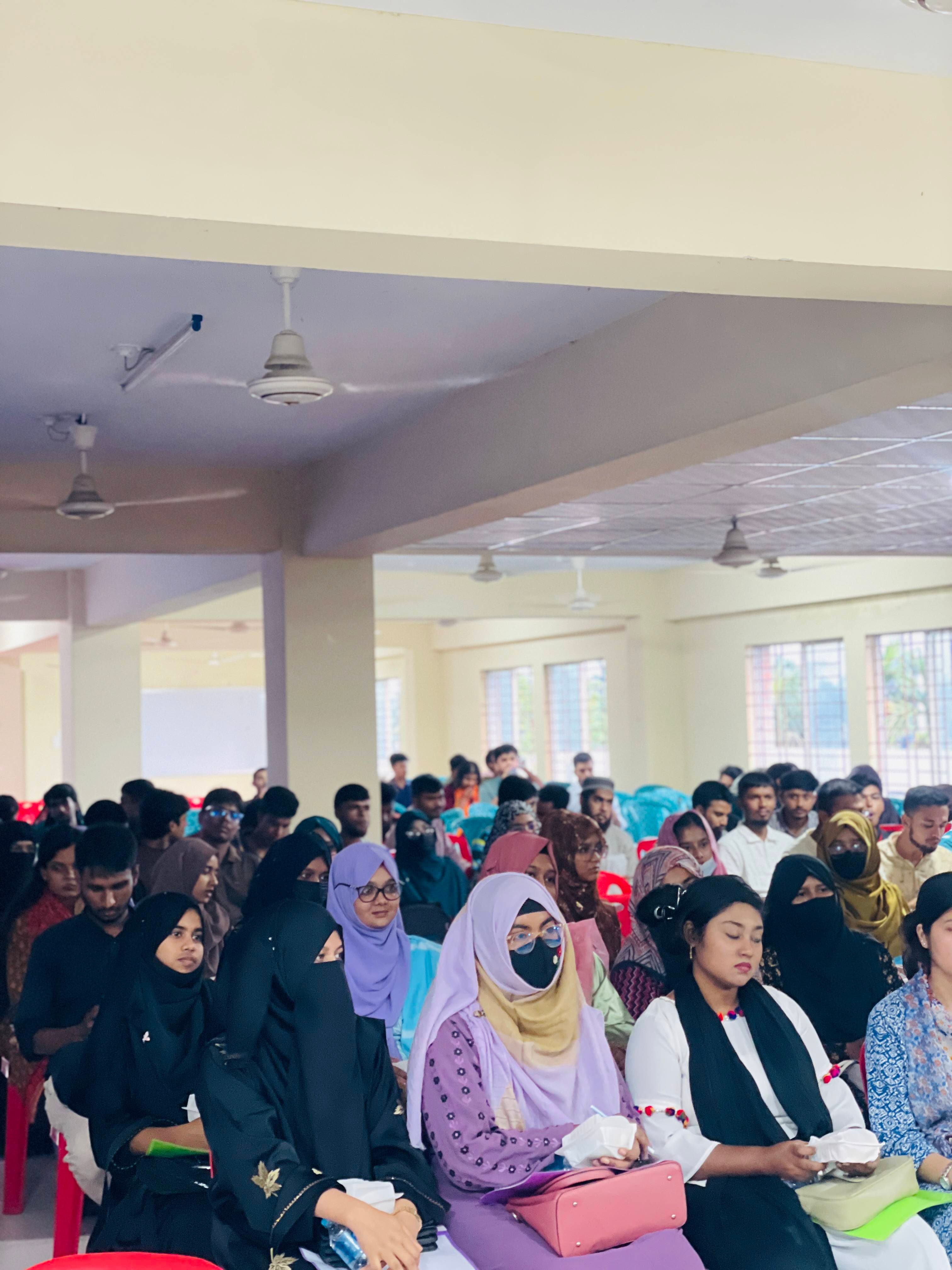
Senior faculty members from Pabna University of Science and Technology and the surrounding academic community joined the programme. Their presence reinforced the ongoing dialogue between students, faculty, and KRTC's North Zone team on the practical realities of science education in Bangladesh.
Programme highlights
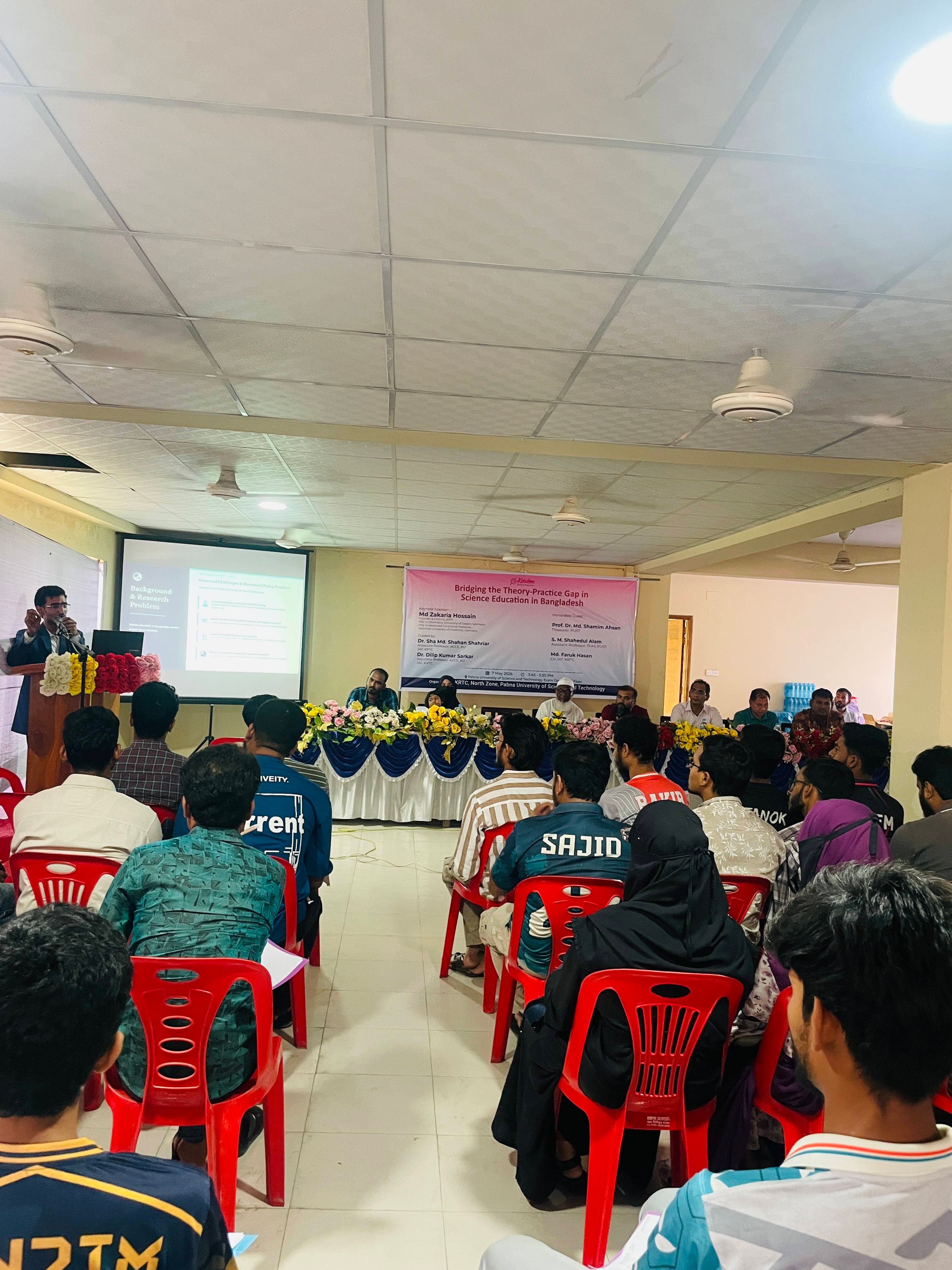
The seminar addressed several structural challenges in science education in Bangladesh — including limited laboratory exposure, weak connection between theoretical learning and real-life application, insufficient undergraduate research opportunities, limited scientific mentoring, and barriers to higher education and research careers.
Participants discussed how PUST students can prepare for graduate research, scholarship pathways, instrument training, and industry-ready scientific work — connecting classroom knowledge with the laboratory and industry standards expected in regulated applied chemistry settings.
Key outcomes & takeaways
The seminar produced several concrete outcomes that strengthen the connection between PUST students and KRTC's broader academic and applied-science network:
• Established Pabna as a key node in KRTC's North Zone academic outreach — alongside Rajshahi, Rangpur, and the wider regional network.
• Direct exposure for PUST undergraduate and postgraduate students to KRTC's University Coordinator network and laboratory practice methodology.
• Open dialogue between students, faculty, and KRTC's leadership on bridging classroom learning with applied scientific work — including hands-on research, instrumentation, and industry-grade quality practice.
• Concrete pathways introduced — research methodology preparation, scholarship and graduate-research opportunities, industry-ready skills development, and global academic mobility routes.
• Foundation laid for continued engagement through KRTC's training programmes, follow-up workshops, and ongoing mentoring through the regional Coordinator network.
• Strengthened the regional KRTC network connecting RU, BRUR, HSTU, BSTU, PUST, and partner institutions — reinforcing the decentralised, integrated approach to applied science education in Bangladesh.
Organising & project-support team
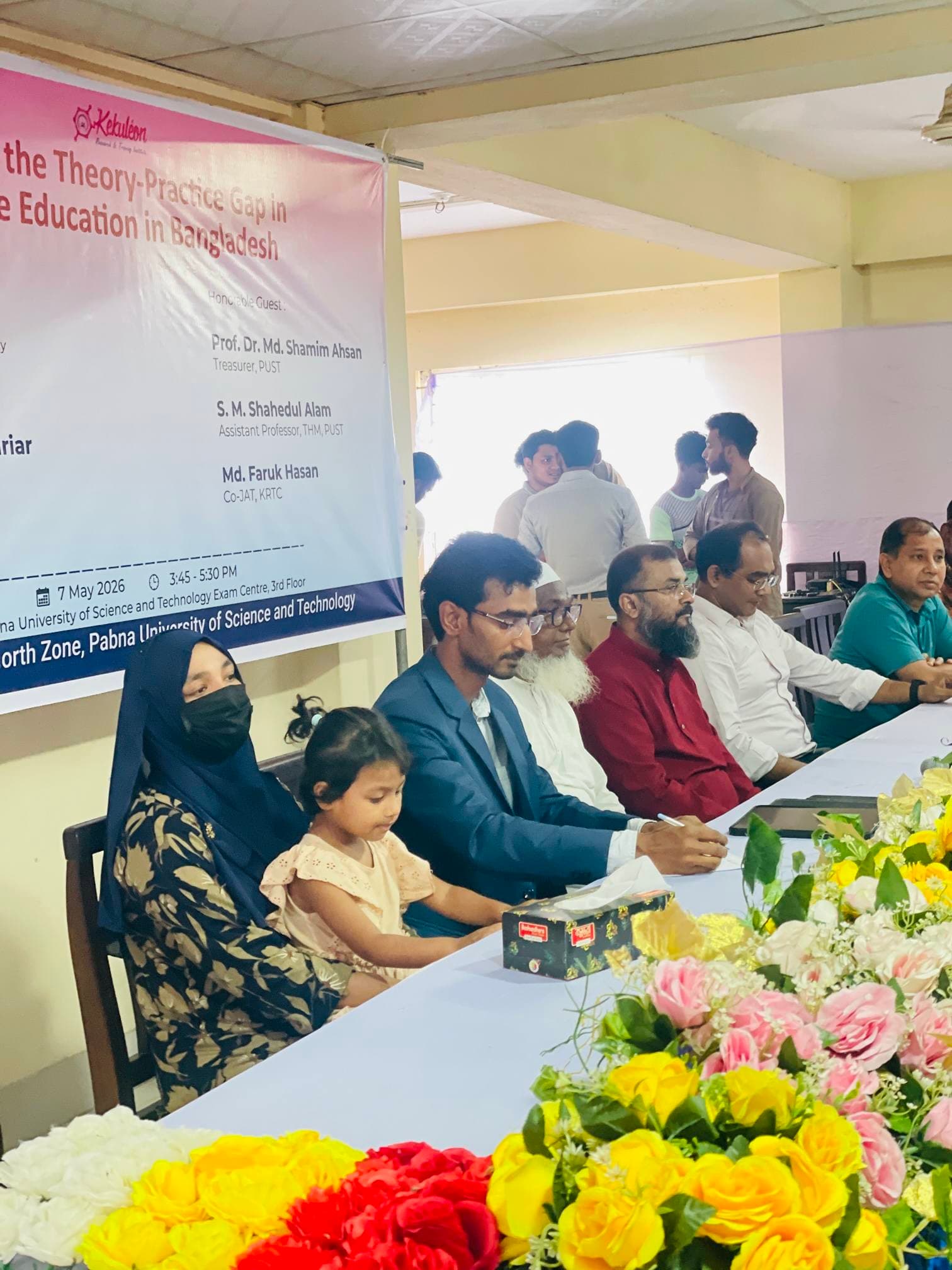
The seminar's organising and project-support team — drawn from KRTC's volunteer-led leadership, faculty advisors, North Zone coordinators, and department instructors — reflects the multidisciplinary collaboration behind KRTC's applied science education and institutional development work.
Looking ahead
The Pabna seminar is part of a three-city KRTC seminar series across the North Zone in May 2026 — continuing on Friday, 8 May at the University of Rajshahi (TSCC) and concluding on Saturday, 9 May at Maulana Bhasani Science & Technology University (Multipurpose Building, 2nd Floor).
Beyond this series, KRTC continues to build pathways for secondary-level students, undergraduate and master's applicants, PhD candidates, recent graduates, and professionals — through merit-based scholarship opportunities, affordable training, support for disadvantaged students, laboratory skill development, environmental awareness initiatives, student volunteer programmes, and community healthcare outreach.
Through this seminar at PUST, KRTC reaffirmed its commitment to a decentralised and integrated model of applied STEM education in Bangladesh — and renewed its call for collaboration among universities, research institutions, industry professionals, and policy-focused bodies.
Behind the scenes
Organising & project-support team
The KRTC team and partners whose multidisciplinary support made the seminar possible.
- Md. Zakaria Hossain
Founder & Research Coordinator, KRTC
- Dr. Dilip Kumar Sarkar
Associate Professor, ACCE, University of Rajshahi — Guide
- Dr. Shah Md. Shahan Shahriar
Associate Professor, ACCE, University of Rajshahi — Guide
- Md. Mahmudul Hasan Abir Mia
North Zone Advisor, Begum Rokeya University, Rangpur
- Nazmul Haque Mitun
Department Instructor
- Md. Abdul Mojid
Managing Director, KRTC
Gallery
Seminar moments
Tap any photo to view it full-size. Use ← → keys or the arrows to browse.
Want to know about the next KRTC seminar?
Stay in touch — we'll announce the next North Zone seminar soon.