
Bridging the Theory and Practice Gap in Science Education in Bangladesh
A decentralized and integrated institutional model designed to address the gap between theoretical education and practical scientific competence in developing-country contexts — building scientific capacity through applied training, integrated research, laboratory training, industry collaboration, and community engagement for the next generation of scientists in Bangladesh.
Our Framework
KRTC Model: Integrated Progression Framework
A progressive and interconnected system that links different stages of education, training, and application — enabling continuous movement between education, research, and real-world impact.
Foundation Level
KRTC Schooling
Academic preparation, early research exposure, language development, and community engagement at the secondary level.
Applied Science Training
6 Departments
Laboratory-based and problem-oriented learning across applied scientific fields, developing practical competence.
Research Engagement
Academic & Project Work
Research-oriented activities including academic writing, methodology training, and project-based work.
Industry & Community
Real-World Applications
Technical applications, environmental initiatives, and community-based activities linking science to real-world contexts.
Higher Education
Professional Pathways
Progression toward advanced academic study and professional environments through skill development.
Continuous movement between education, research, and application
Our Vision
Concept Statement
Understanding KRTC's integrated approach to bridging theory and practice in science education.
The KRTC Concept
KRTC develops a decentralised and integrated institutional model designed to address the gap between theoretical education and practical scientific competence in developing-country contexts.
By structuring learning as a progressive system, the model supports student transitions across different educational stages while strengthening readiness for both higher education and professional environments.
Rather than treating education, research, and application as separate domains, KRTC integrates them into a continuous learning environment.
Key Highlights
Integrated Model
Foundation-level preparation, applied science training, research engagement, and community-linked activities within a single operational framework.
Progressive System
Supports student transitions across different educational stages while strengthening readiness for both higher education and professional environments.
Problem-Oriented Research
Applied training aligned with environmental, social, and industrial contexts — addressing real-world challenges through practical engagement.
Goal: Contributing to broader discussions on science education, capacity development, and the role of applied training systems in supporting sustainable development.
About KRTC
An Emerging Initiative in Bangladesh
The Kekuleon Research and Training Center (KRTC) is focused on strengthening the connection between science education and practical competence. It responds to a common challenge where theoretical learning is not sufficiently supported by laboratory training, research exposure, or industry-oriented experience.
KRTC develops a decentralised and integrated institutional model designed to address the gap between theoretical education and practical scientific competence in developing-country contexts. By structuring learning as a progressive system, the model supports student transitions across different educational stages while strengthening readiness for both higher education and professional environments.
Rather than treating education, research, and application as separate domains, KRTC integrates them into a continuous learning environment.
What We Do
KRTC is based on the idea that education, research, and application are more effective when developed together — through academic preparation and progression, applied and laboratory-based learning, research exposure and skill development, industry-relevant training, and community engagement linked to social and environmental needs.
KRTC is currently operating through its foundation program, with students engaged in academic preparation, research awareness, language training, and community activities. It also functions as a practice-based research initiative, exploring how decentralised training environments can contribute to improving science education and capacity development.
This initiative has been submitted to UNESCO, Falling Walls Lab/Cell 2026 (Berlin), and other international organisations for consideration in academic collaboration and institutional engagement.

Challenge & Response
The Problem We Address & Our Solution
Understanding the challenges in science education and how KRTC's integrated model addresses them systematically.
The Problem We Address
Theory–Practice Gap
Education is largely theory-oriented, with limited access to laboratory training and real-world scientific practice.
Limited Research Exposure
Many students engage in review-based academic work rather than experimental or problem-oriented research.
Mismatch with Industry
Academic curricula are often not aligned with current industry and technical requirements.
Employability Challenges
Fresh graduates are frequently rejected by employers due to lack of practical skills and hands-on experience.
Higher Education Barriers
Insufficient research training and laboratory experience limit readiness for international study.
Weak Sector Integration
Limited collaboration between education, industry, and research institutions.
Unequal Access
Students from diverse backgrounds often lack access to applied training and academic support.
Core Issue: A disconnect between education, practice, and opportunity — limiting both individual progression and scientific capacity development.
Our Solutions
Progressive Learning Pathway
Structured system supporting students from foundation-level to applied science training and research.
Early Research Exposure
Introduction to scientific thinking, research methods, and academic skills from secondary level.
Applied & Lab-Based Training
Hands-on learning in chemistry, materials science, pharmaceutical sciences, and healthcare.
Problem-Oriented Research
Research activities aligned with real-world challenges including sustainability and industry needs.
Industry Alignment
Training linked to technical skills, applied work, and industry-relevant competencies.
Higher Education Support
Academic writing, research skills, and language training for national and international study.
Integrated Environment
Learning, research, and application developed together in a unified system.
Access & Inclusion
Expanding opportunities for students from diverse socio-economic backgrounds.
KRTC's Approach: A decentralised and integrated institutional model connecting education, research, and application within a single framework.
Our Departments
Six Specialized Applied Science Departments
Each department integrates applied training programs with research services and collaboration with relevant industries.
Chemistry and Applied Chemical Sciences
Advanced analytical chemistry, research methodology, and laboratory instrumentation training for students and professionals.
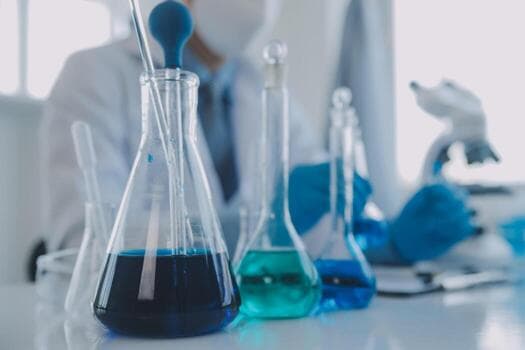
Pharmaceutical Sciences and Drug Development
Drug development research, pharmaceutical analysis, quality control training, and industry collaboration programs.
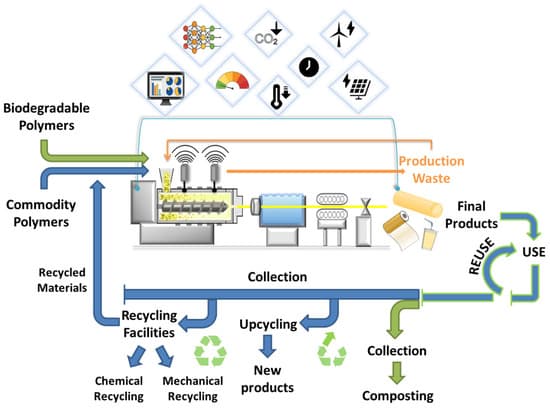
Polymer and Plastic Processing Technologies
Applied research and testing in polymer science, plastic processing technologies, and sustainable materials development.
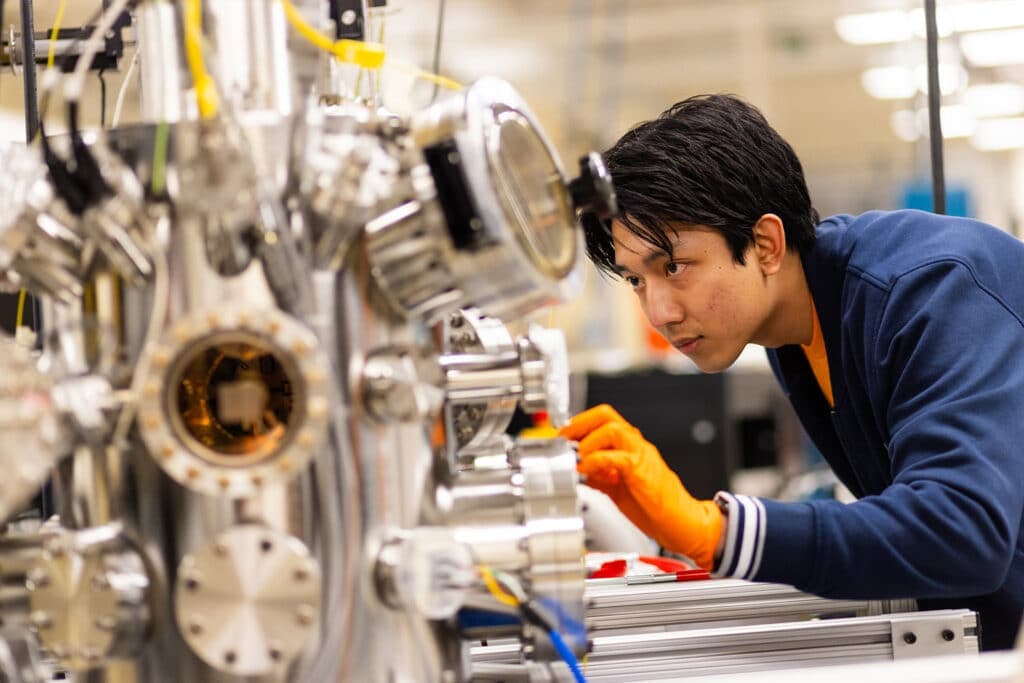
Materials Science and Engineering Applications
Material testing, characterization, performance analysis, and hands-on training with analytical instruments.
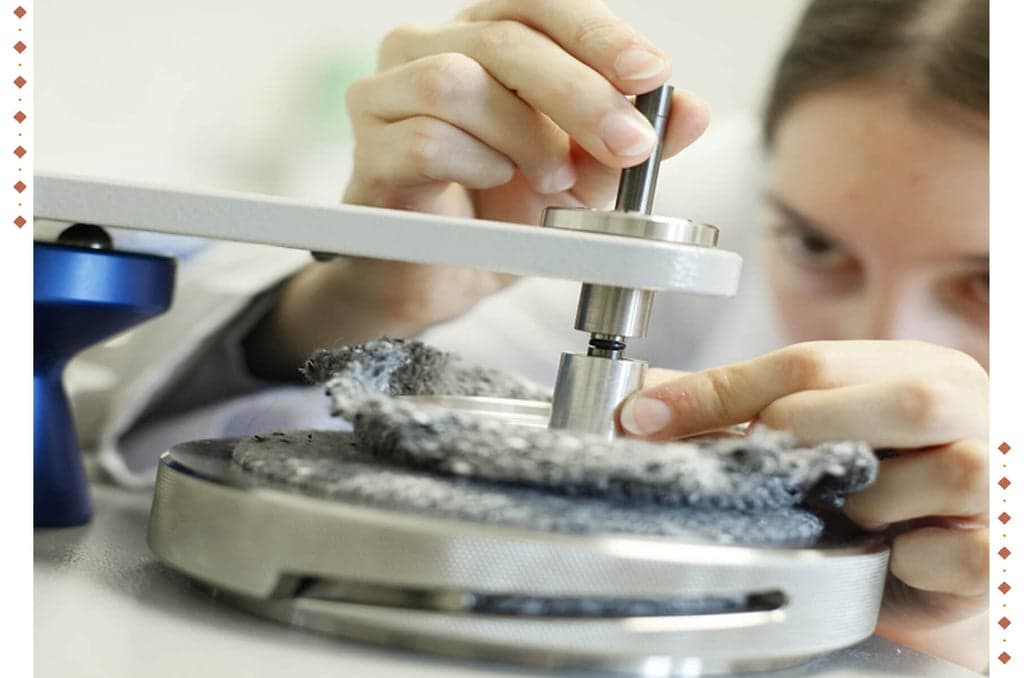
Textile Testing and Quality Assurance
Industry-focused textile testing, compliance certification, and quality assurance training for the textile sector.

Nursing and Community Healthcare
Nursing education, community healthcare services, clinical practice training, and international placement preparation.
Ready to Start Your Scientific Journey?
Join KRTC and bridge the gap between theoretical knowledge and practical scientific competence. Contact us to learn more about our programs.